
Wise Music Classical
Price: Seven Descriptive Pieces
- Composer: Florence Price
- Editor: John Michael Cooper
- Publisher: G. Schirmer Inc.
Choose options
For piano (edited by John Michael Cooper)
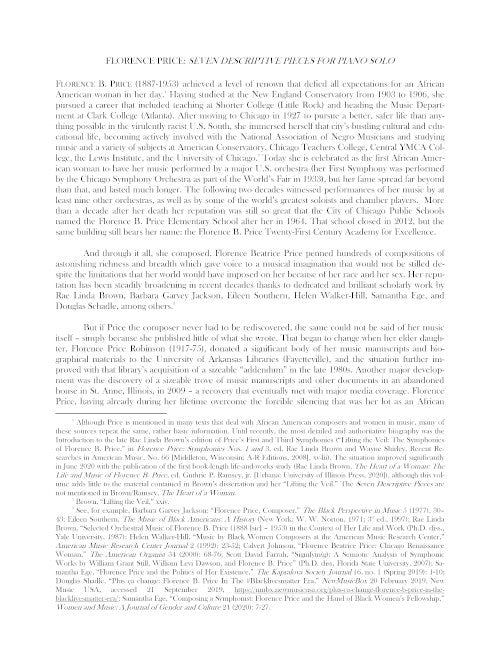
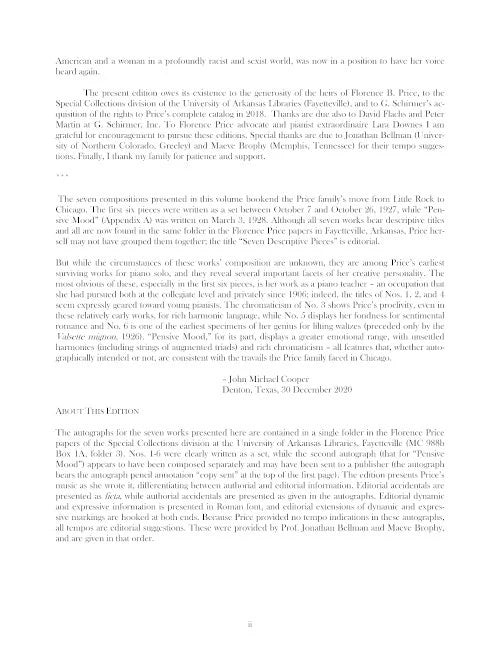
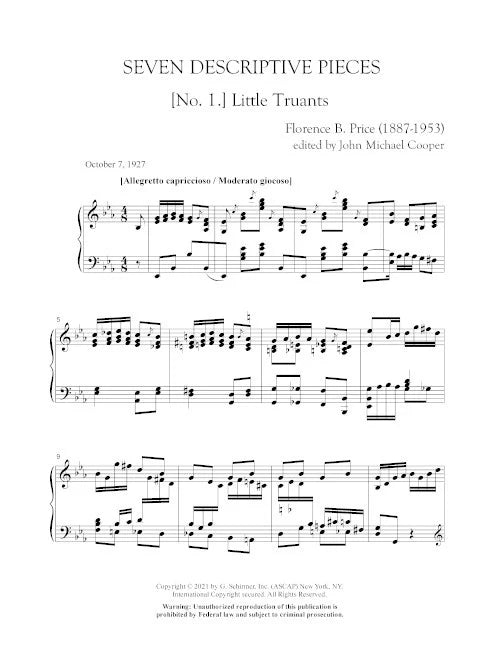
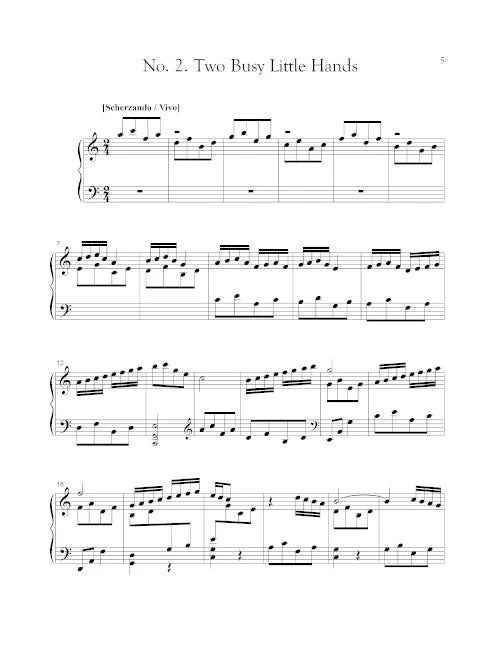
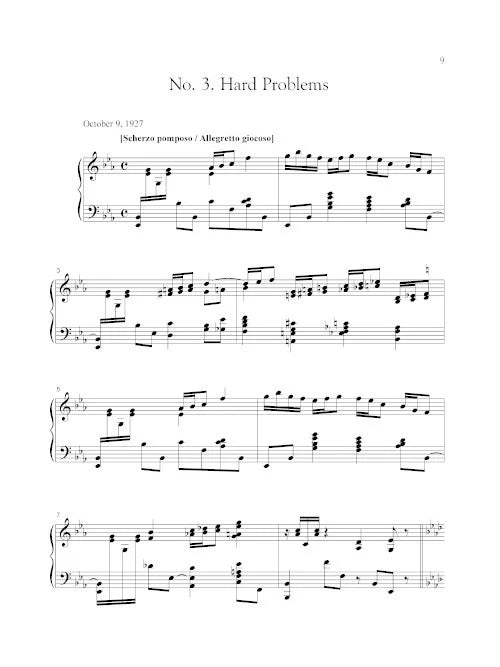
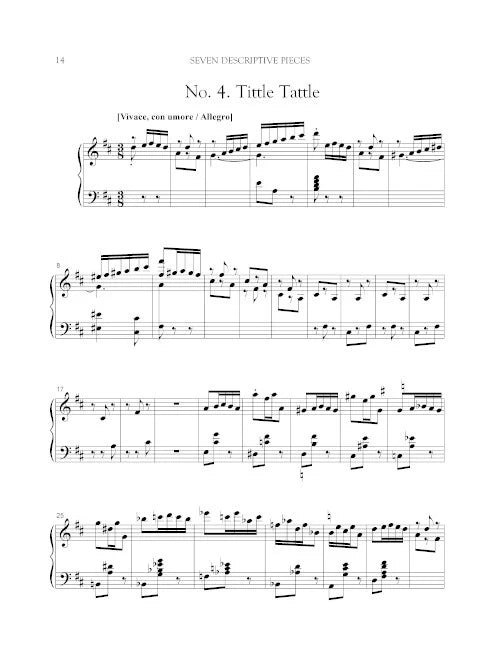
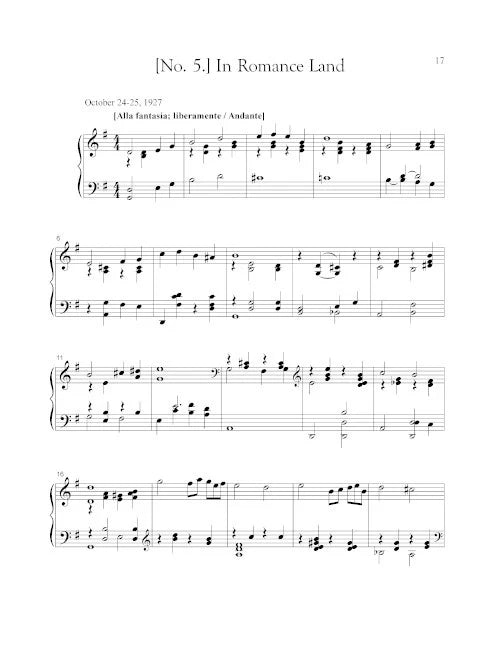
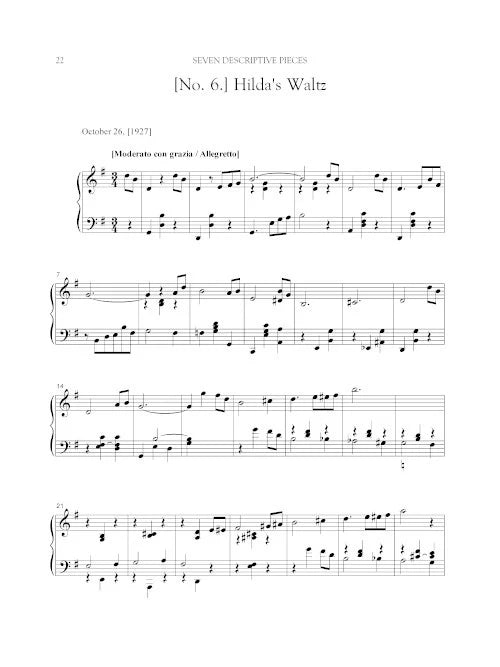
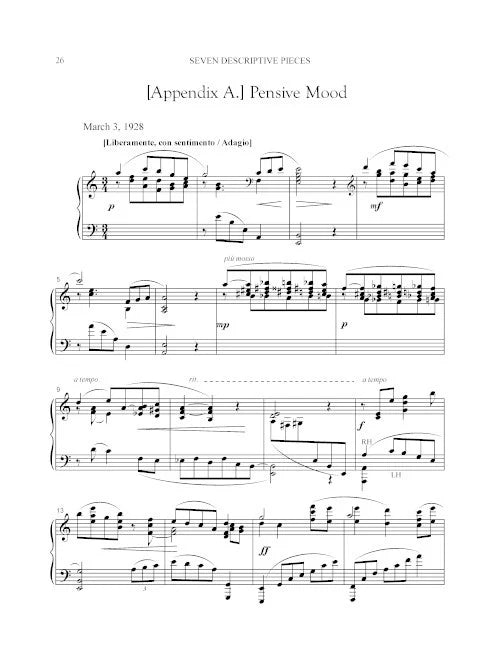
The seven compositions presented in this volume bookend the Price family’s move from Little Rock to Chicago. The first six pieces were written as a set between October 7 and October 26, 1927, while “Pensive Mood” was written on March 3, 1928. Although all seven works bear descriptive titles and all are now found in the same folder in the Florence Price papers in Fayetteville, Arkansas, Price herself may not have grouped them together; the title Seven Descriptive Pieces is editorial. But while the circumstances of these works’ composition are unknown, they are among Price’s earliest surviving works for piano solo, and they reveal several important facets of her creative personality. The most obvious of these, especially in the first six pieces, is her work as a piano teacher — an occupation that she had pursued both at the collegiate level and privately since 1906; indeed, the titles of Nos. 1, 2, and 4 seem expressly geared toward young pianists. The chromaticism of No. 3 shows Price’s proclivity, even in these relatively early works, for rich harmonic language, while No. 5 displays her fondness for sentimental romance and No. 6 is one of the earliest specimens of her genius for lilting waltzes (preceded only by the Valsette mignon, 1926). “Pensive Mood,” for its part, displays a greater emotional range, with unsettled harmonies (including strings of augmented triads) and rich chromaticism — all features that, whether autographically intended or not, are consistent with the travails the Price family faced in Chicago.
— John Michael Cooper